








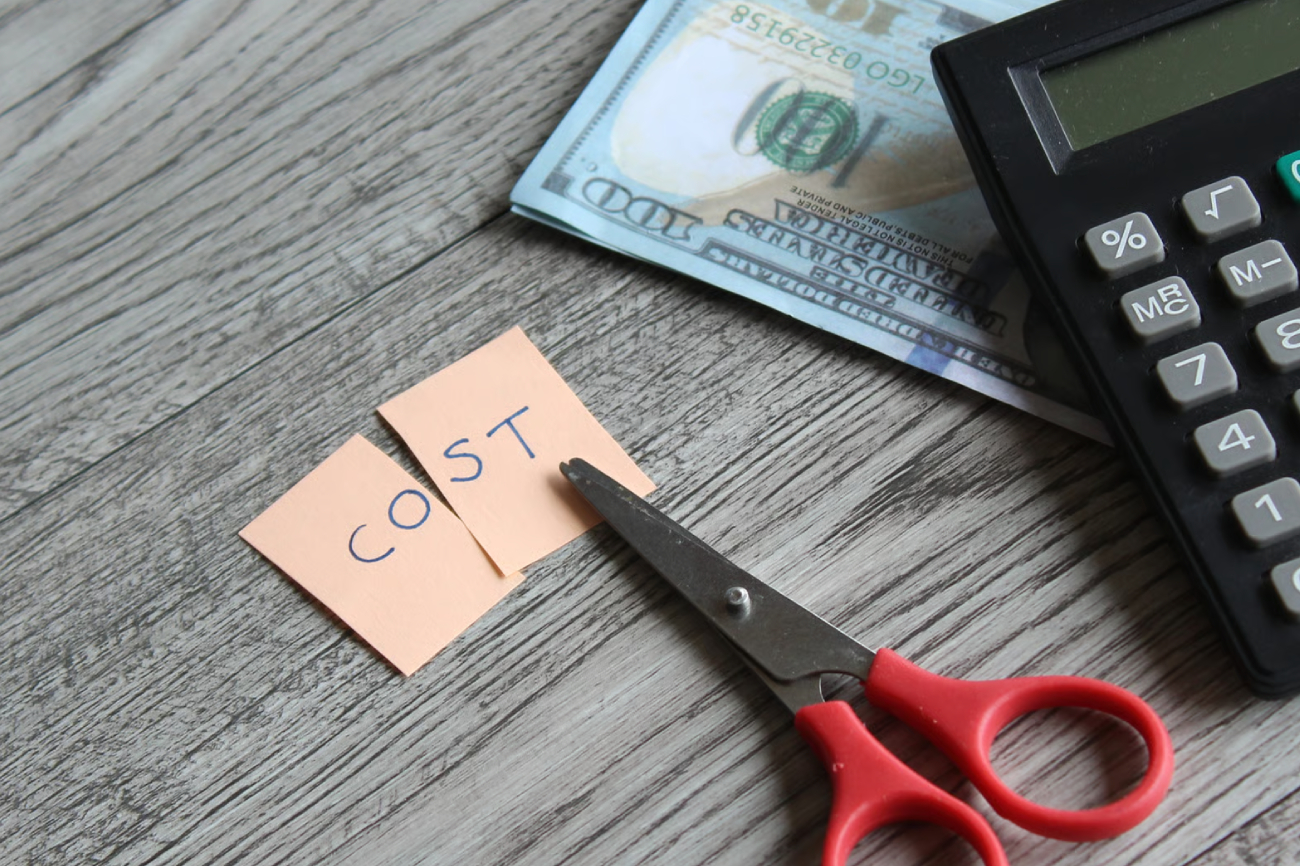
In healthcare businesses, reducing costs is important for improving profitability, but cutting costs in the wrong areas can directly harm patient care, trust, and reputation.
The real challenge is not just to spend less, but to spend smarter without compromising quality.
This guide explains practical cost-cutting strategies that help healthcare clinics reduce expenses while maintaining or even improving service quality.
Why Smart Cost-Cutting Matters in Healthcare
Healthcare is a sensitive industry where quality cannot be compromised.
Poor cost-cutting leads to:
- Lower patient satisfaction
- Increased medical errors
- Staff burnout
- Damaged reputation
Smart cost-cutting leads to:
- Higher efficiency
- Better resource utilization
- Stable patient experience
- Increased profit margins
Optimize Inventory Management
Medical supplies are a major expense in clinics.
Common problems:
- Overstocking unused items
- Expired medications
- Poor tracking systems
Solution:
- Use digital inventory tracking
- Monitor usage patterns
- Order based on demand, not guesswork
Result:
Reduced waste without affecting patient care.
Reduce Administrative Waste
Administrative work often consumes unnecessary time and resources.
Issues:
- Manual paperwork
- Duplicate data entry
- Inefficient filing systems
Solution:
- Digital records
- Automated workflows
- Centralized data systems
Impact:
Lower operational cost and faster processes.
Improve Staff Productivity Instead of Reducing Staff
Cutting staff often reduces quality. Instead, improve productivity.
How:
- Clear role definitions
- Better training programs
- Efficient task distribution
Result:
Same team produces more output without additional cost.
Use Technology to Automate Repetitive Tasks
Automation reduces long-term operational expenses.
Examples:
- Appointment scheduling systems
- Digital billing tools
- Automated reminders
Benefit:
Less manual work, fewer errors, and reduced administrative cost.
Negotiate with Suppliers
Medical supplies and equipment costs can often be reduced.
Strategy:
- Build long-term supplier relationships
- Compare multiple vendors
- Negotiate bulk pricing
Result:
Lower procurement costs without reducing quality.
Reduce Energy and Utility Costs
Utility expenses can be optimized easily.
Steps:
- Use energy-efficient equipment
- Optimize clinic operating hours
- Reduce unnecessary power usage
Impact:
Small savings accumulate into significant cost reduction over time.
Standardize Clinical Processes
Inconsistent processes often lead to wasted resources.
Solution:
- Create standard operating procedures
- Train staff to follow them strictly
- Reduce variation in service delivery
Benefit:
Improved efficiency and reduced waste.
Prevent Revenue Leakage Instead of Cutting Costs
Many clinics try to save money while ignoring lost revenue.
Common leakage sources:
- Missed billing entries
- Undercharged services
- Uncollected payments
Solution:
Fixing billing systems often increases profit more than cost-cutting does.
Outsource Non-Core Functions
Not every task needs in-house staff.
Examples:
- IT support
- Cleaning services
- Accounting tasks
Benefit:
Lower fixed salary costs without affecting clinical quality.
Improve Appointment Efficiency
Better scheduling reduces operational waste.
Problems:
- Idle time
- Overcrowding
- Poor time allocation
Solution:
- Balanced scheduling system
- Proper patient flow management
Result:
More patients served with same resources.
Reduce Diagnostic Waste
Unnecessary tests increase costs for both clinic and patient.
Solution:
- Standard diagnostic guidelines
- Evidence-based testing approach
- Avoid redundant procedures
Benefit:
Cost reduction without affecting treatment quality.
Train Staff to Avoid Mistakes
Errors are expensive in healthcare.
Common issues:
- Billing mistakes
- Incorrect documentation
- Wasted materials
Solution:
- Regular training
- Clear SOPs
- Performance monitoring
Impact:
Lower rework and operational waste.
Use Preventive Maintenance for Equipment
Equipment breakdowns lead to high repair costs.
Solution:
- Regular maintenance schedule
- Early issue detection
- Proper equipment handling training
Result:
Longer equipment life and fewer unexpected expenses.
Focus on High-Efficiency Services
Some services use fewer resources but generate similar revenue.
Strategy:
- Identify efficient procedures
- Promote optimized services
- Reduce low-efficiency activities
Benefit:
Higher profitability per resource used.
Common Mistakes in Cost Cutting
Avoid these mistakes:
- Reducing essential staff
- Using low-quality supplies
- Ignoring patient experience
- Cutting training budgets
- Delaying equipment maintenance
These mistakes damage long-term business growth.
Final Thoughts
Effective cost-cutting in healthcare is not about reducing spending blindly. It is about improving efficiency, eliminating waste, and optimizing systems.
When done correctly, it leads to:
- Higher profit margins
- Better operational efficiency
- Consistent patient satisfaction
- Long-term business stability
In healthcare, the smartest cost-cutting is the one that patients never notice.